First-Time Buyers
What does buying a first home in Gilbert look like?
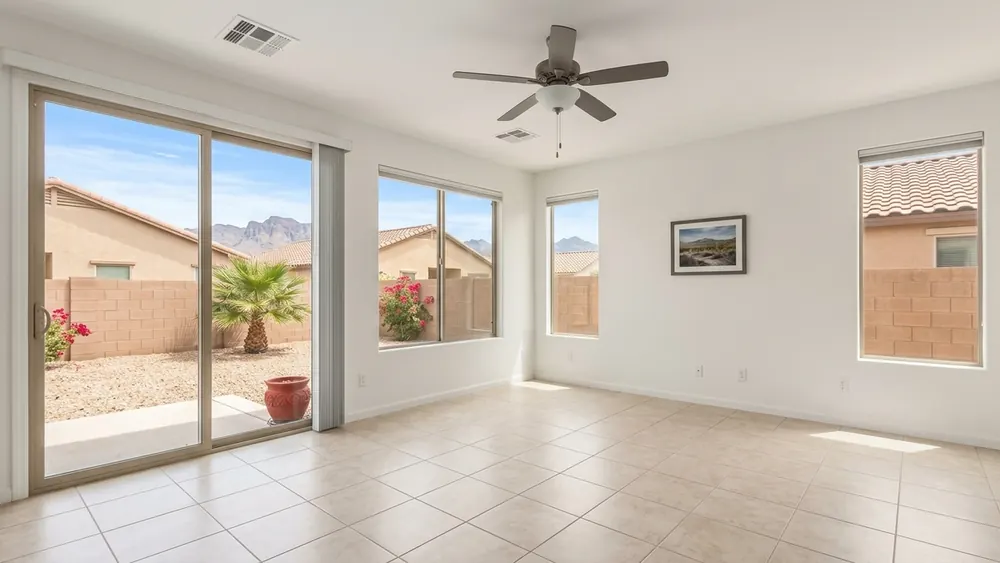
Buying a first home in Gilbert follows a clear order: set a budget with a lender, choose the areas that fit your routine, tour homes, make an offer, then complete inspections and closing steps before you get the keys.
On this page
The short answer for first time buyers
Buying a first home in Gilbert looks like a series of steps taken in order. You set a budget with a lender, decide which parts of the East Valley fit your routine, tour homes, make an offer, then work through inspections and the closing steps. Each step answers a question that makes the next one easier, so nothing has to be decided all at once. Think of it as a map you follow one stop at a time, with a clear reason for every stop along the way.
That order matters because most first purchase stress comes from doing the steps out of sequence. Touring homes before you know your budget can leave you attached to something that does not fit. Making an offer before you understand the inspection period can make the contract feel like a trap. When the steps line up, each decision has the information it needs, and the whole process feels far more manageable.
None of this requires you to know the process already. A first purchase is supposed to come with questions, and asking them early is part of doing it well. The goal of this guide is to map out the path so you can see where you are, what comes next and who answers each question along the way. You can return to any section later as your search moves forward, because each one stands on its own and answers a question you are likely to have at that stage.
Start with the budget conversation
The first real step happens before any tour. Sit down with a lender and talk through what a comfortable monthly payment looks like for you, not just the largest number you could be approved for. A lender is the right source for loan options, down payment questions and anything about rates. Bring these questions to that conversation so you leave with a clear picture of the range you want to shop in and what it means for you month to month.
- What monthly payment feels comfortable alongside your other regular expenses and the savings you want to keep
- Which loan options a lender suggests you compare for your situation and why each one might fit
- How much cash a lender expects you to need at closing and when it is due
- What documents a lender needs from you to move forward with a preapproval
Decide what your daily routine needs
Once the budget is clear, turn to the way you actually live. A first home search in Gilbert goes faster when you know what the home and its location need to support, before you start scrolling listings. Write down your answers to these questions and keep them in one place, because they will shape every tour, every comparison and every offer that follows. Your list will change as you tour, and that is fine, but starting with something written down keeps you anchored.
- Where you drive most often on a normal weekday and on weekends, and at what times
- How many bedrooms you need now and how that might change over the next few years
- Whether you want a yard, and how much outdoor upkeep you are willing to take on
- Whether a community association and its rules feel right for the way you want to live
- Which features you would trade away to stay comfortably within the budget you set with a lender
Touring homes with a clear purpose
Touring is where the plan starts to feel real. It helps to see a few homes in each area you are considering, including nearby cities such as Chandler or Mesa if the homes there match your list. Seeing several side by side shows you what your budget looks like in practice, which is often different from what you expected online. It also helps you notice which features you keep looking for and which ones you rarely miss once you are inside a home.
During each tour, look past the paint and furniture. Notice the layout, the natural light, the storage and how the rooms connect to the way you live. Take photos and short notes right after you leave, because homes start to blur together quickly. A simple scorecard against your written list keeps the comparison honest and makes it easier to explain later why one home stood out over another.
Check the practical details on your own as well. Use current map sources to test the drive to work or other regular stops at the times you would actually make them. Confirm city services such as trash pickup and utilities with Gilbert or whichever city the home sits in. Those answers belong to the source, not to anyone’s memory or to an old listing description.
Making an offer without guessing
When a home fits, the next step is an offer. A well prepared offer looks at similar recent sales nearby, the condition of the home and the terms that matter to you, such as your preferred closing date. Paul walks through those pieces with you so the offer reflects real information rather than a hunch or a headline. You will also talk through what happens if the seller responds with changes, so a counteroffer feels like a normal part of the process rather than a setback.
The offer also sets out the timeline for the steps that follow, including the inspection period and the date your loan needs to be in place. Read those dates carefully and ask about anything that is unclear. If a term raises a legal question, an attorney is the right person to answer it. Knowing the timeline in advance keeps the next few weeks calmer and helps you plan time away from work for the steps that need you there.
I tell first time buyers to write every question down, even the ones that feel small. The small ones are usually the ones that change a decision, so ask them all.
Inspections and the steps before closing
After an offer is accepted, the home gets a closer look. A licensed home inspector examines the property and gives you a report on its condition. Read the full report, not only the summary, and ask the inspector to explain anything you do not understand. Then decide which items you want to raise with the seller and which you can plan for later, once you have moved in and settled.
At the same time, your lender works through the loan, and you will likely need to send updated documents along the way. This is also when you set up homeowners insurance, so talk with an insurance agent about the coverage that fits the home. If the home is in a community association, read its own documents before closing so the rules hold no surprises after you move in. Keep a simple checklist of these tasks with their dates so nothing waits until the final week before closing.
What to gather before a first conversation
If you are thinking about a first home in Gilbert or elsewhere in the East Valley, you can get ready before you talk to anyone. Write down your must haves and your nice to haves in two separate lists. Note the places you drive to most often. Collect your recent pay records and account statements so a lender conversation can start quickly, without a scramble for paperwork later on.
It also helps to write down what worries you. For many first time buyers it is the budget, the paperwork or the fear of missing something important. Putting those concerns on paper turns them into questions, and questions have answers. An Arizona native who knows the East Valley can help you sort which ones matter most right now and which can wait until later in the process.
When you are ready, bring your lists and your questions to Paul Cameron at Keller Williams Realty Phoenix. There is no need to have it all figured out first. A first conversation is simply a chance to map out where you are, what comes next and which parts of the East Valley are worth a closer look for you, based on what you have already written down. Whatever stage you are at, the next step will be clearer by the end of that conversation.
This article is general information about buying and selling homes in Gilbert and the Phoenix East Valley. It is not legal, tax, estate, lending, inspection or appraisal advice and does not predict prices or promise results. Confirm city services with each municipality, construction details with the builder and a licensed home inspector, budget and loans with a lender, and legal or estate questions with an attorney. Paul Cameron, Keller Williams Realty Phoenix.

Written by